⭐ FEATURED CLINIC
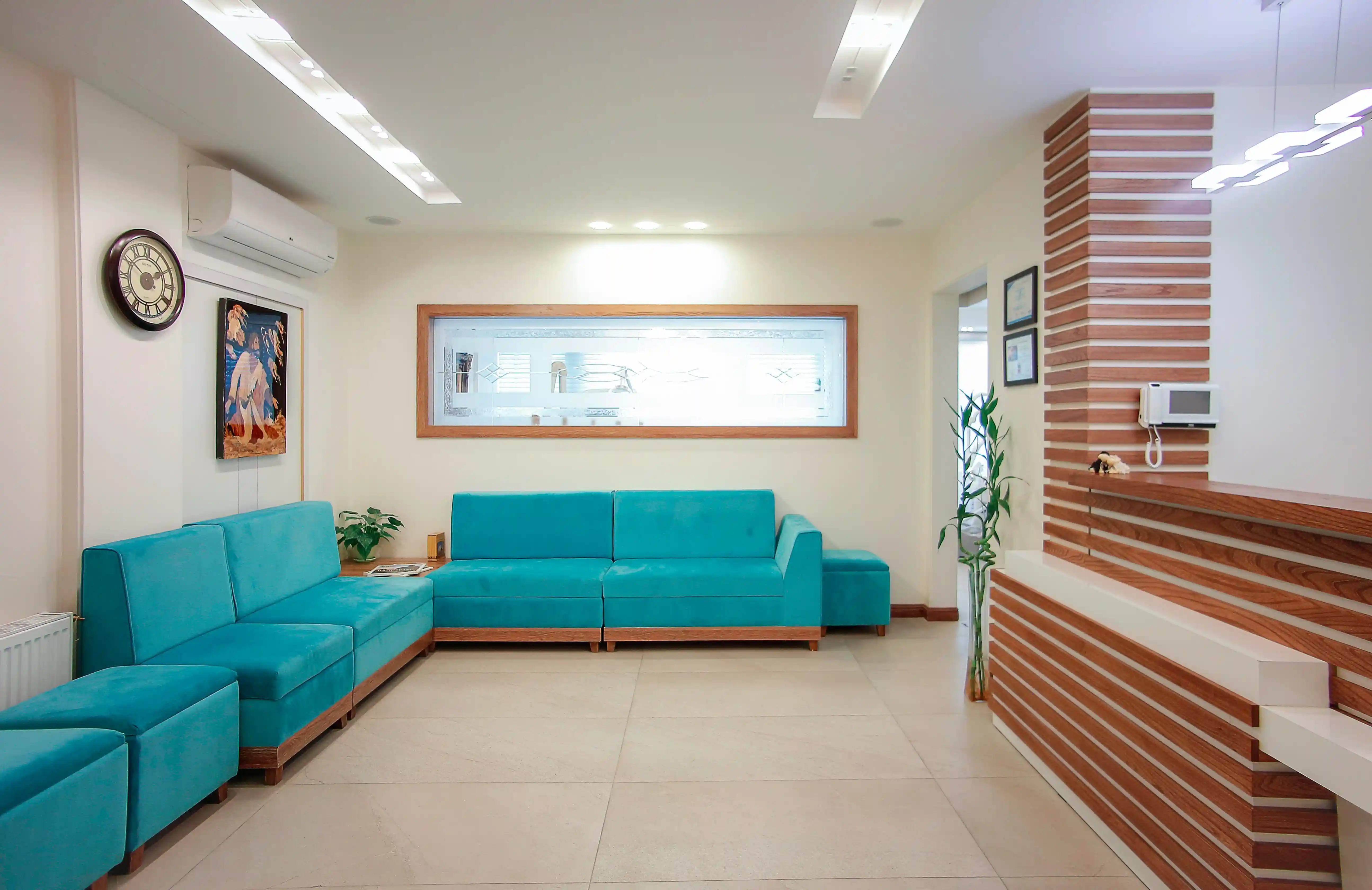
Smile Tijuana Dentist
Researched by Tijuana Dental Guide ⭐ 4.9 (633 reviews)
3 miles from San Ysidro crossing
Dental ImplantsVeneersCrowns +2 more
Sample Prices
Implant from $1,050
Crown from $545
Save 50–70% on dental bridges with researched Tijuana clinics. From $900–$1,500 for 3-unit bridge vs $3,000–$6,000 for 3-unit bridge in the US.
Researched & Reviewed by Tijuana Dental GuideUS Average Cost
$3,000–$6,000 for 3-unit bridge
Tijuana Cost
$900–$1,500 for 3-unit bridge
Your Savings
50–70%
Estimated range. Final cost is confirmed after a consultation.
⏱️
Treatment Time
2 visits over 1–2 weeks
🏥
Recovery
No downtime; mild sensitivity for a few days
📅
Visits Required
2 visits
💰
You Save
50–70%
First visit: abutment teeth are shaped and reduced, impressions taken, temporary bridge placed. Second visit: permanent bridge is cemented. The entire process typically takes 1–2 weeks.
A dental bridge literally "bridges" the gap left by one or more missing teeth. It consists of one or more artificial teeth (called pontics) held in place by crowns cemented onto the teeth on either side of the gap. The result is a fixed, non-removable restoration that looks, feels, and functions like natural teeth.
Bridges are one of the most established procedures in dentistry — and one where Tijuana's savings are significant. A standard 3-unit bridge typically costs $900–$1,500 in Tijuana versus $3,000–$6,000 in the US. For patients missing multiple teeth, bridges offer a faster, more affordable path to a complete smile than implants.
Both bridges and implants replace missing teeth. Understanding the tradeoffs helps you decide which is right for your situation — and Tijuana offers significant savings on both.
Bottom line
If your adjacent teeth are already damaged or need crowns, a bridge is an efficient solution that addresses all three teeth at once. If the adjacent teeth are healthy, a single implant is preferred because it avoids modifying teeth that don't need treatment. Both are excellent options — the right choice depends on your specific clinical situation.
A 3-unit bridge costs $3,000–$6,000 in the US. The same bridge — same zirconia or porcelain material, same dental laboratory, same clinical technique — typically costs $900–$1,500 in Tijuana. The savings come from Mexico's lower operating costs: lower real estate, lower malpractice insurance, lower staff overhead. The clinical work and materials are equivalent.
Many established Tijuana dental clinics use digital impression systems and the same CAD/CAM milling technology as US practices. The bridge is fabricated in a professional dental laboratory — often by the same type of dental technicians used at US practices — and the fit, function, and aesthetics are directly comparable.
For a full overview of why Tijuana has become the leading destination for US dental patients, see our Why Tijuana for dental care?.
The standard bridge design: two crowns anchor to the teeth adjacent to the gap, holding one or more artificial teeth (pontics) in between. The bridge is a single unit permanently cemented in place.
Tijuana (3-unit)
$900–$1,500
US (3-unit)
$3,000–$6,000
Advantages
Considerations
Instead of anchoring to natural teeth, the bridge is supported by dental implants on either side of the gap. This is ideal for replacing two or three consecutive missing teeth without modifying adjacent natural teeth.
Tijuana (2 implants + 3-unit bridge)
$3,000–$4,500
US equivalent
$8,000–$15,000
Advantages
Best For
Patients with healthy adjacent teeth who want to avoid modifying them, or those replacing two or three consecutive missing teeth who want a bone-preserving solution.
A conservative option where a pontic is attached to the adjacent teeth using metal or porcelain "wings" bonded to the backs of the teeth. Minimal tooth reduction required — but also less durable than a traditional bridge.
Tijuana
$600–$900
US
$1,500–$2,500
Best for: Replacing a single front tooth in a patient with healthy adjacent teeth who wants a minimally invasive option. Not recommended for back teeth due to higher bite forces.
A dental bridge is priced roughly per unit — each crown and each replacement tooth (pontic) counts as one unit — so a wider bridge costs more. A standard bridge for one missing tooth is a 3-unit bridge (two crowns plus one pontic in between); a bridge spanning two missing teeth is a 4-unit bridge, and so on. This is why it's best to compare quotes per unit rather than as a flat "bridge price." For a broader look at what dental work costs across Tijuana, see our 2026 Tijuana dental cost guide.
| Bridge Type | Units | Tijuana | US Estimate | Savings |
|---|---|---|---|---|
| Single-tooth gap (3-unit) | 3 | $900–$1,500 | $3,000–$6,000 | 50–70% |
| Two-tooth gap (4-unit) | 4 | $1,200–$2,000 | $4,000–$8,000 | 50–70% |
| Larger span (5–6 unit) | 5–6 | $1,800–$3,000 | $6,000–$10,000 | 50–70% |
| Maryland (resin-bonded) | 3 | $600–$900 | $1,500–$2,500 | 50–70% |
| Implant-supported bridge | varies | $3,000–$4,500 | $8,000–$15,000 | 50–70% |
Estimated range. Final cost is confirmed after a consultation and CT scan.
Your dentist numbs the area and reshapes the two abutment teeth to accommodate the bridge crowns. A digital scan or physical impression is taken and sent to the dental laboratory. A temporary bridge is placed to protect the prepared teeth and maintain your bite while the permanent bridge is being fabricated.
Most patients return to the US the same day after preparation. The gap in your smile is covered by the temporary bridge throughout.
Your permanent bridge is fabricated in a dental laboratory from zirconia or porcelain-fused-to-metal, to precisely match your bite and the color of surrounding teeth. This typically takes 5–10 business days. Many patients schedule their second trip at the end of the same week or the following week.
The temporary bridge is removed, the permanent bridge is tried in and checked for fit, bite, and color match. Minor adjustments are made as needed, and the bridge is permanently cemented. This visit typically takes 60–90 minutes. You leave with a complete, fully functional restoration.
Zirconia bridge
15–20 years
with proper care
PFM bridge
10–15 years
with proper care
Implant-supported bridge
20–30+ years
with proper care
To maximize bridge lifespan:
Yes — dental bridges are one of the safest and most predictable procedures to have done in Tijuana. The outcome depends primarily on the material quality, the dental laboratory, and the precision of the fit — all of which are verifiable before you commit.
Every clinic in our directory is researched for reputation, reviews, and certifications before listing. Ask your clinic to show you bridge cases they have completed — established clinics will have photos of their work readily available.
Every clinic in our directory is researched before listing
Sample Prices
Sample Prices
Sample Prices
Border shuttle service available
Sample Prices
A standard 3-unit dental bridge (two crowns + one pontic) typically costs $900–$1,500 at researched Tijuana clinics, compared to $3,000–$6,000 in the US. A 4-unit bridge (replacing two consecutive teeth) typically costs $1,200–$2,000 in Tijuana. All prices typically include tooth preparation, impressions, temporary bridge, lab fabrication, and cementation of the permanent bridge. These are estimated ranges — final cost is confirmed after a consultation.
A 4-unit bridge — spanning a wider gap than a standard single-tooth bridge — typically runs $1,200–$2,000 at Tijuana clinics, versus roughly $4,000–$8,000 in the US. The exact price depends on the material (PFM vs. zirconia) and whether any anchor tooth needs preparatory work first.
A zirconia dental bridge placed at an established Tijuana clinic lasts 10–20 years with proper care. The lifespan depends on the bridge material, your oral hygiene (especially cleaning under the pontic), and whether you grind your teeth. Porcelain-fused-to-metal bridges last 10–15 years. With meticulous hygiene and regular checkups, bridges can last longer.
Two trips, typically 5–10 days apart. The first visit is for tooth preparation, impressions, and placement of a temporary bridge. The second visit is for fitting and cementing the permanent bridge. Many patients schedule both trips in the same week to minimize travel.
It depends on your situation. Dental implants are the gold standard — they preserve jaw bone, don't involve the adjacent teeth, and can last a lifetime. However, bridges cost less upfront, require no surgery, and are completed in two visits rather than months. Bridges are a better choice when the adjacent teeth already need crowns, when you want to avoid surgery, or when time and budget are priorities. If the adjacent teeth are healthy, an implant is generally preferred long-term. See our dental implants page for a full comparison.
A traditional bridge is usually cheaper upfront than a single implant — roughly $900–$1,500 for a 3-unit bridge versus $1,000–$1,500 for a complete single implant. But an implant replaces the tooth without reshaping the healthy teeth on either side, and tends to last longer. Which is right depends on the health of your adjacent teeth and your bone — a decision for the dentist after an exam, not a price alone. Compare on our dental implants in Tijuana page.
Yes — a traditional tooth-supported bridge requires reshaping (reducing) the two teeth adjacent to the gap. These abutment teeth are permanently altered to receive the bridge crowns. If you want to avoid modifying healthy teeth, a dental implant is an alternative — it replaces the missing tooth independently without involving the neighbors.
Yes. A bridge can span one or two missing teeth (3-unit or 4-unit bridge). For three or more consecutive missing teeth, an implant-supported bridge or All-on-4/All-on-6 solution is usually recommended instead, as a tooth-supported bridge spanning a larger gap puts too much stress on the abutment teeth.
A clear quote should list the crowns, the pontic(s), the material, and any preparatory work (root canal, buildup) on the anchor teeth. Ask whether the price is per unit or for the whole bridge, and get it in writing before you travel. See our guide on how to choose a safe Tijuana clinic.
Yes — quality depends on the material and the dental laboratory, not the country. Established Tijuana clinics use the same zirconia and porcelain-fused-to-metal materials as US practices, and many use CAD/CAM digital fabrication. The savings come from lower overhead costs in Mexico, not lower material quality. Ask your clinic which lab fabricates their bridges before booking.
Tell us your procedure and we'll personally recommend the best clinic for your case — free.
Browse researched Tijuana clinics and get a free consultation.